This Content Is Only For Subscribers
Please subscribe to unlock this content.
Bangladesh’s banking sector stands at a defining crossroads—pressured by macroeconomic headwinds, capital and provisioning shortfalls, and growing concerns over governance. Confidence has eroded in many corners, both domestically and internationally. And yet, against this challenging backdrop, a set of banks continues to demonstrate discipline, adaptability, and forward-thinking strategies that set them apart.
The cover story of the current issue of Colors Business Magazine profiles the Top 10 Banks of Bangladesh—Eastern Bank, City Bank, Mutual Trust Bank, BRAC Bank, Dutch-Bangla Bank, Bank Asia, Prime Bank, Jamuna Bank, Pubali Bank, and Dhaka Bank. These institutions have managed to stay resilient through strong risk management, smart digital innovation, client trust-building, and operational excellence. While the broader sector faces pressure, these banks offer a glimpse into what a responsible and robust financial future could look like.
This issue goes deeper. In an exclusive conversation with Colors publisher Zakaria Masud, Bangladesh Bank Governor Dr. Ahsan H. Mansur, during his recent visit to New York, speaks candidly about his reform agenda and the tough decisions needed to restore trust in the banking system. From tackling default culture to strengthening supervision, his message is one of accountability, realism, and renewal.
The current issue features an exclusive interview of Swedish Ambassador Nicolas Weeks, who outlines Sweden’s evolving trade and investment strategy for Bangladesh. His insights reaffirm that despite current uncertainties, international partners remain keen on deeper engagement—provided that governance and transparency stay high on the reform agenda.
Notably, the issue addresses one of the most debated policy developments in recent months: Bangladesh’s tight monetary policy. With inflation proving persistent, the central bank’s decision to keep policy rates high reflects its commitment to macroeconomic stability. But as this in-depth article argues, there’s a price—credit is tight, and investment appetite is weakening. The piece offers a nuanced analysis of the causes, costs, and what more must be done to tame inflation without derailing growth.
It is encouraging to observe that, despite persistent macroeconomic and sectoral challenges, financial inclusion in Bangladesh is exhibiting sustained growth. Data indicate a substantial rise in bank account ownership among low-income populations, underscoring that institutional commitment to improving access and promoting equitable financial services can drive meaningful socioeconomic advancement at the grassroots level.
Taken together, this issue of Colors Business presents a textured, honest portrait of Bangladesh’s financial sector—one that captures both the fragility and the promise of this moment. It is a story of resilience in motion, institutions that are adapting with purpose, and voices that refuse to give up on reform.
The cover story of the current issue of Colors Business Magazine profiles the Top 10 Banks of Bangladesh—Eastern Bank, City Bank, Mutual Trust Bank, BRAC Bank, Dutch-Bangla Bank, Bank Asia, Prime Bank, Jamuna Bank, Pubali Bank, and Dhaka Bank. These institutions have managed to stay resilient through strong risk management, smart digital innovation, client trust-building, and operational excellence. While the broader sector faces pressure, these banks offer a glimpse into what a responsible and robust financial future could look like.
This issue goes deeper. In an exclusive conversation with Colors publisher Zakaria Masud, Bangladesh Bank Governor Dr. Ahsan H. Mansur, during his recent visit to New York, speaks candidly about his reform agenda and the tough decisions needed to restore trust in the banking system. From tackling default culture to strengthening supervision, his message is one of accountability, realism, and renewal.
The current issue features an exclusive interview of Swedish Ambassador Nicolas Weeks, who outlines Sweden’s evolving trade and investment strategy for Bangladesh. His insights reaffirm that despite current uncertainties, international partners remain keen on deeper engagement—provided that governance and transparency stay high on the reform agenda.
Notably, the issue addresses one of the most debated policy developments in recent months: Bangladesh’s tight monetary policy. With inflation proving persistent, the central bank’s decision to keep policy rates high reflects its commitment to macroeconomic stability. But as this in-depth article argues, there’s a price—credit is tight, and investment appetite is weakening. The piece offers a nuanced analysis of the causes, costs, and what more must be done to tame inflation without derailing growth.
It is encouraging to observe that, despite persistent macroeconomic and sectoral challenges, financial inclusion in Bangladesh is exhibiting sustained growth. Data indicate a substantial rise in bank account ownership among low-income populations, underscoring that institutional commitment to improving access and promoting equitable financial services can drive meaningful socioeconomic advancement at the grassroots level.
Taken together, this issue of Colors Business presents a textured, honest portrait of Bangladesh’s financial sector—one that captures both the fragility and the promise of this moment. It is a story of resilience in motion, institutions that are adapting with purpose, and voices that refuse to give up on reform.
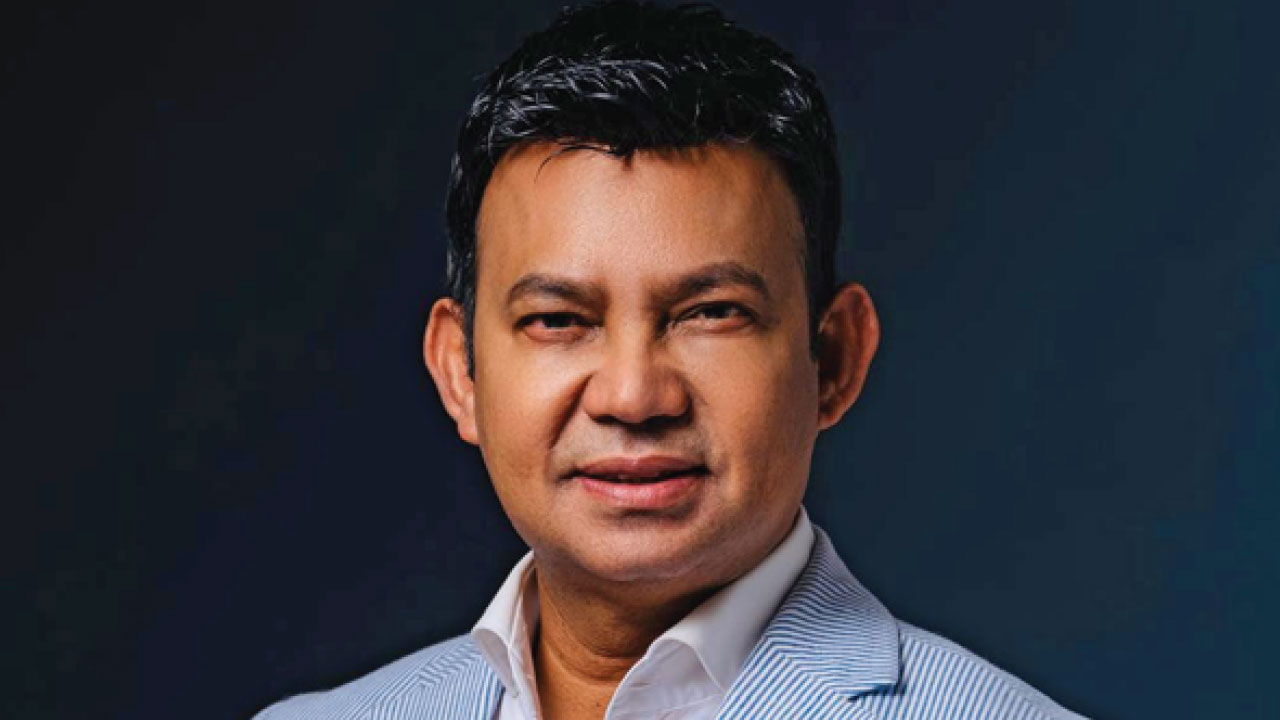
Zakaria Masud
Editor