
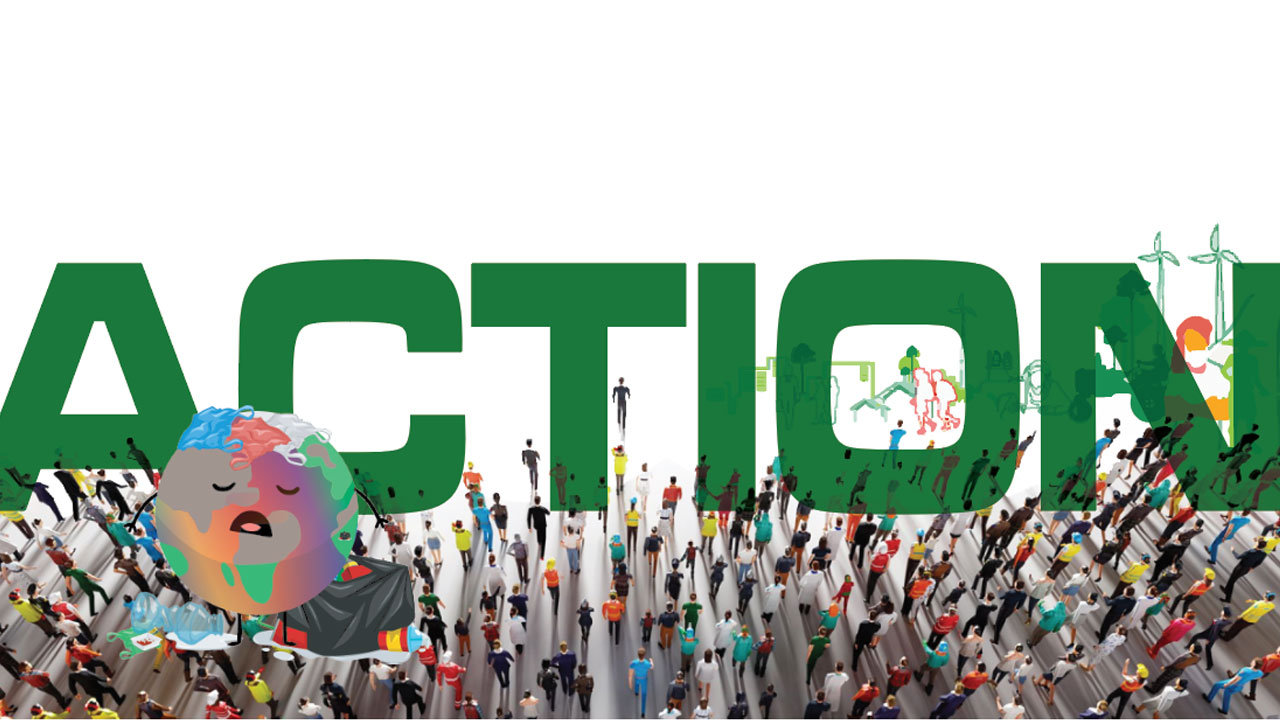
A Call for Urgent Action on SDGs
A recent study reveals that 87.5% of Bangladesh’s population—15 crore people—lack access to fundamental services like clean drinking water, education, and sanitation. As the country nears the 2025 deadline for the Sustainable Development Goals (SDGs), the challenges of inequality, food insecurity, and social exclusion remain pervasive, threatening the nation’s future progress.
A Stark Reality: 87.5% of Bangladeshis Lack Basic Services
In a country of over 160 million people, access to essential services remains a distant reality for the majority. According to the National SDG Report (VNR) 2025, prepared by the Citizen’s Platform for SDGs in collaboration with the UNDP and the government of Bangladesh, 87.5% of the population—equivalent to 15 crore citizens—do not have access to the eight basic services required for a dignified life. These services include:
l Clean drinking water
l Basic education
l Sanitation facilities
l Hygiene facilities
l Clean fuel and technology
l Basic information services
l Basic mobility (rural and urban)
l Basic waste collection services
This shocking statistic points to significant gaps in infrastructure, policymaking, and overall development planning that leave a vast majority of Bangladesh’s citizens without the most fundamental building blocks of a decent life.
Basic Services Percentage of Population
Lacking Access
Clean Drinking Water High Proportion
Basic Education High Proportion
Sanitation Facilities High Proportion
Hygiene Facilities High Proportion
Clean Fuel & Technology High Proportion
Basic Information Services High Proportion
Mobility (Urban & Rural) High Proportion
Waste Collection Services High Proportion
2. Disparities Persist: Rural, Urban, and Vulnerable Groups Bear the Brunt
While Bangladesh has made strides in economic growth, the gaps between rural and urban areas remain glaring, particularly in the Chittagong Hill Tracts and other disadvantaged regions. This uneven distribution of resources means that the most marginalized communities—such as the Dalit and Adivasi populations—continue to face systemic discrimination. These groups remain stuck in traditional, low-paying occupations due to caste-based stigma and limited access to education and skill development, severely restricting their ability to participate in broader economic opportunities.
Additionally, food insecurity remains a persistent issue, with 26% of the population—or 23.6 million people—suffering from hunger. This directly contradicts the zero-hunger target of the SDGs and continues to undermine the country’s progress toward full sustainable development.
Indicator Current Situation
Food Insecurity 26% of the population (23.6 million)
Maternal Mortality High in certain districts
Infant Mortality High in certain districts
Education Access Disparities between rural and urban
Caste-based Prevalent in Dalit & Adivasi communities
Discrimination
3. Gender, Education, and Inequality: The Struggle Continues
The gender gap persists, even as progress is made in certain areas. Women and girls, especially in rural areas, continue to face discrimination in education and employment. The quality of education remains unequal, and gender disparities in access to healthcare and basic services still limit women’s opportunities for advancement.
Moreover, child labor remains a severe concern. According to the National Child Labour Survey 2022, approximately 3.54 million children between the ages of 5 and 17 are engaged in economic work, with one-third of them involved in hazardous labor. This not only harms their health and development but also perpetuates a cycle of poverty.
4. Governance Failures: The Need for Inclusive Development
A key finding from the report is the need for improved governance to implement the SDGs effectively. As Debapriya Bhattacharya, the convenor of the Citizen’s Platform for SDGs, pointed out, the lack of representation of ethnic groups, religious minorities, and women in reform committees has hindered the success of social reforms. Political parties have made pledges, but if they fail to prioritize the “Leave No One Behind” (LNOB) principle, the marginalized will continue to be excluded from the benefits of development.
Further, Mustafizur Rahman, a distinguished fellow at the Centre for Policy Dialogue, emphasized the inadequate progress in SDG 17, which focuses on global partnerships and the means of implementation. With only five to six years left to meet the SDG targets, Bangladesh must accelerate efforts to close these gaps.
Key Governance Challenges Recommended Solutions
Lack of Representation Include marginalized
groups in reform
committees
Weak Policy Implementation Prioritize inclusive
development and
SDG targets
Corruption & Inefficiency Strengthen accountability
in public service delivery
Limited Data on Improve data collection and
Vulnerable Groups targeted policy interventions
5. A Call for Action: The Road Ahead
With only six years left until the 2030 SDG deadline, Bangladesh faces an urgent need to address these structural inequalities. Inclusive development should be at the heart of future policymaking, with tangible actions to address disparities in health, education, and economic participation. Political parties must integrate concrete SDG commitments into their manifestos, and the government must ensure that no group is left behind.
Investment in social infrastructure, education, and healthcare—particularly for rural and marginalized communities—must take priority. The reform of social safety nets and the creation of targeted interventions are essential for ensuring that SDGs become more than just promises on paper.
Bangladesh’s future depends on its ability to foster an inclusive society where all citizens, regardless of their gender, ethnicity, or economic status, have access to the essential services and opportunities they need to thrive.
Conclusion: As the country inches toward its 2030 SDG targets, Bangladesh must tackle these deep-seated inequalities and structural failures head-on. The path to sustainable development is still attainable—but it requires a collective commitment to inclusivity, governance reforms, and the elimination of discrimination. If political leaders and policymakers fail to act, Bangladesh risks leaving behind a significant portion of its population, which would undermine the entire SDG agenda.