
Meet the banks which are powering the economy of the country.
Top Ten Banks: The report card
When several banks were facing trust deficits and struggling to attract deposits and log profits, the top 10 banks experienced higher profits and deposit flows in 2024 thanks to their valued reputation and meticulous drive to grow sustainably.
Even after enduring prolonged inflationary pressure, the deposits of these banks soared as savers shifted their funds from underperforming banks to more reliable institutions.
The ten banks are BRAC Bank, City Bank, Eastern Bank, Dutch-Bangla Bank, Pubali Bank, Mutual Trust Bank, Jamuna Bank, Bank Asia, and Dhaka Bank.
During the January to December period of 2024, their collective net profits rose around 29 percent to Tk 6,656 crore.
At the same one year period, collective deposits of these ten banks surged by 20 percent year-on-year to Tk 466,031 crore, while many banks, especially Shariah-based institutions, saw an erosion of their profits and deposits amid trust deficit.
The deposit growth of the overall banking sector remains much lower than that of the leading banks.
According to data from the Bangladesh Bank, deposits in the banking sector reached Tk 17.76 lakh crore in December 2024, up from Tk 16.45 lakh crore in the same period of the previous year. It indicates deposit grew by 7.96 percent in the industry.
In the first quarter of the year, deposit growth dropped below 1 percent due to high inflation but improved in the second quarter as interest rates on deposits increased.
In the first nine months, the cumulative loans of the top ten banks grew by 11 percent to Tk 393,749 crore.
The significant deposit and loan growth of these top banks during such a turbulent year reinforces their distinctive identity as trusted partners for clients.
Economists suggest that when inflation rises over several months, savers’ ability to save diminishes, leading the banking sector to experience a dry spell. With inflation rates hovering above 9 percent since March 2023, according to BBS data, this trend was evident.
In this situation, deposit growth in the top banks indicates that depositors shifted their savings to ensure better protection for their hard-earned money. Additionally, the central bank’s contractionary monetary policy and market-based interest rate framework have increased interest rates across the sector.
This has encouraged savers to deposit their money in banks. The average interest rate for deposits rose to 9.19 percent by July, compared to below 8 percent just two quarters earlier (7.93 percent in the fourth quarter of FY23).
Recent incidents of liquidity struggles in some banks have taught depositors that factors beyond interest rates must be considered when selecting a bank.
Thanks to their strong reputations and lack of political bias, top banks have gained an edge over others in attracting deposits, consistently outperforming the industry’s average deposit growth rate.
The profits and deposits of the top banks rose while the broader banking sector struggled with issues like poor governance, foreign currency liquidity volatility, loan irregularities, and a depreciating local currency, which have undermined macroeconomic stability.
The relaxation of loan classification and rescheduling rules, coupled with a culture of impunity, has fostered fraudulent activities that resulted in a significant rise in non-performing loans (NPL) in the banking sector.
With the ousting of the previous government, the real picture of the banking sector is slowly emerging.
Defaulted loans in the country’s banking sector reached a record Tk 345,765 crore at the end of 2024 as toxic loans increased sharply following the political changeover in August last year.
At the end of last year, total outstanding loans stood at Tk 17,11,402 crore, 20.20 percent of which have turned sour, according to the latest data from the Bangladesh Bank.
The situation in some banks was so dire that the central bank once discussed merging struggling banks with more stable ones. Currently, Bangladesh Bank has announced liquidity support and recently provided Tk 12,500 crore in emergency funds to three banks in December.
A few months earlier, the central bank provided Tk 22,000 crore to seven crisis-hit commercial banks and assured depositors of its commitment to supply emergency funds as needed to prevent any bank collapses. However, despite these assurances, depositors continued to withdraw funds from these banks.
While the banking sector as a whole faced significant challenges, the top banks thrived, thanks to their good governance and strong reputations.
The selection of these ten banks was based on a blend of factors, including profitability, deposit collection, NPL levels, corporate governance, political neutrality, Bangladesh Bank’s sustainability reports, and public reputation.
EBL
Eastern Bank PLC is the best performer in terms of achieving profitability. Its corporate governance, low non-performing loans, and reputation among customers ensured it to be ranked among the top five local banks in all respects.
EBL, which began its journey in 1992, registered around 23 percent higher profits of Tk 750 crore in 2024 due to the removal of the lending rate cap and a broader loan portfolio.
The private commercial lender credited increased yields, higher investment volumes in government securities, gains from repo transactions, and quoted share sales for the uptick in investment income.
Its return on assets indicator looks handsome for the last several years, standing at 1.34 percent in 2024.
With a growth mindset, EBL has not only focused on ensuring profitability, but also demonstrated a commitment to contribute to the economic development of the country.
EBL’s loans and advances rose 16 percent to Tk 41,071 crore in the last one year period.
For its good reputation, the bank attracted 25 percent larger deposits in the three quarters, while many banks struggled to get deposits due to low confidence and rising inflationary pressure.
Its digital transformation, focusing on non-resident Bangladeshis, freelancers, and mid-tier customer segments, worked well in collecting deposits and foreign currency liquidity.
EBL has a total of 130 branches and sub-branches, which are physical channels for catering to customer queries and complaints.
During the last five years, the banking sector faced significant headwinds, including economic uncertainty, while overall economic growth of the country slowed down amid two major external shocks.
In the face of these challenges, EBL stood resilient, navigating through the tumultuous economic climate.
In the last five years, its deposits increased to Tk 36,610 crore till 2023 from Tk 24,016 crore in 2019. Its profit was in a continuously rising trend and stood at Tk 610 crore, up from Tk 400 crore in the five years.
This bank was able to keep a handsome capital-to-risk-weighted asset ratio, which stood at 15.11 percent at the end of 2024.
Despite a turbulent period, EBL PLC was able to keep its non-performing loan ratio at a low level of 3.34 percent in 2023.
The most important success of the bank is its profitability. Its return on assets was 1.34 percent in 2023, which was continuously between 1.20 percent to 1.30 percent in the five years, one of the highest among all the banks.
City Bank
City Bank has become one of the top banks in the country with its performance in making profit, reigning in non-performing loans, reputation, corporate good governance, and expanding its reach through financial inclusion.
The lender’s profits increased around 59 percent to Tk 1,014 crore in the last year up from previous year’s Tk 638 crore.
A strong brand and the strength of the deposit franchise enabled the bank to garner increased deposits, higher than the industry average. Further, the bank’s large variety of deposit products, including attractive term deposits, remained a big draw for customers looking to park their funds, including surplus funds, into a productive income-generating source.
After its continuous two years’ same growth rate of 18 percent in collecting deposits, the bank saw its deposit continue to surge by around 31 percent in the year 2024.
City Bank has also been the first bank in the country to offer Digital Nano Loans through the country’s prominent Mobile Financial Service provider bKash. With this initiative, the bank took steps to strengthen the financial inclusion program of our government through innovative and efficient digital channels without the intervention of any manual process.
The bank, established in 1983, counted 3.72 percent classified loan ratio in 2023 while its return on assets stood at 1.73 percent.
Between 2019 to 2023, its deposits rose from Tk 24,670 crore to Tk 39,250 crore. City Bank’s major success was in reducing non-performing loans. The NPL ratio was 5.8 percent in 2019, which reduced to 3.6 percent in 2023.
Profit of the bank more than doubled in the five-year tenure to Tk 615 crore in 2023. City Bank was doing well in raising profitability even in turbulent times.
Its return on assets was 0.7 percent in 2019, which rose to 1.2 percent in 2023.
MTB
Mutual Trust Bank PLC (MTB) saw its profit increase in the last year, driven by an uptick in its operating profit. MTB, established in 1999, registered a profit of Tk 316 crore, up 11 percent year-on-year, in the one-year period.
The bank’s deposit collection surged around 25 percent to Tk 32,883 crore in the period compared to the same period of the previous year.
MTB’s banking strategy is not aggressive but sustainable in collecting deposits and lending. So, its profit and deposit growth is modest and sustainable.
Its regulatory capital rose continuously in the last five years. Along with this, its deposits and loans also rose non-stop.
The bank’s net profit also approached Tk 300 crore, registering a five-year compound annual growth rate (CAGR) of 16 percent till 2023, more than double the industry average of 8 percent.
BRAC Bank
In making profits, BRAC Bank was the topper in the last year that logged staggering around 73 percent year-on-year higher profits of Tk 1,431 crore driven by higher interest income from government securities.
BRAC Bank has always been able to keep operating costs down and mobilize funds at relatively lower costs due to its excellent market reputation, which enabled the company to remain competitive in the market.
The bank’s income from subsidiaries, particularly bKash, also played a major role in boosting income. The bank’s income from bKash escalated 204 percent year-on-year to Tk 315 crore.
Deposits of the lender, established in 2001, surged around 32 percent to Tk 77,705 crore in the span of the one year period till last December of 2024, according to the financial report of the company.
Taking inspiration from its parent organization BRAC, one of the largest NGOs in the world, BRAC Bank introduced small-ticket loans to small and medium enterprises (SMEs), to specifically bring grassroots entrepreneurs under the umbrella of formal banking services.
Close to half of the bank’s lending portfolio comprises small and medium enterprises. Its large number of small loans gives an advantage of low classified loans.
The non-performing loan ratio of BRAC Bank dropped to 2.63 percent at the end of 2024, which was 3.38 percent in the previous year.
Its corporate good governance, political unbiasedness, and huge customer base turned it into a reputed bank in the country.
The bank expanded its customer base with its 189 branches, 74 sub-branches, 1,119 banking agents, and 446 SME unit offices.
Amidst socio-economic unrest since 2020, RAC Bank has upheld impressive growth in collecting deposits and providing loans, and profitability confirmed a leading position in the banking industry of Bangladesh.
Despite the economy suffering amid the Covid-19 pandemic and the war between Ukraine and Russia, this bank showed its deposit almost doubled to Tk 58,843 crore in the last five years till 2023.
At the same time, the bank was able to reduce its percentage of non-performing loans to total loans and advances to 3.38 percent in 2023 from 3.99 percent in 2019.
Observing a higher yield rate in treasury bills and bonds, the lender increased its investment in secured securities. As a result, its income from investment more than tripled during 2019 to 2023 to Tk 1,268 crore.
It is the testament of its fund management skill to keep the bank healthy.
DBBL
Dutch-Bangla Bank gained people’s interest with its huge number of locations next to their doors with its huge number of ATM booths.
It has enabled cash withdrawals and constant access to banking services all over the country with its 8,448 ATMs and CRMs.
Although its profits in 2024 dropped due to a big provision on loans, its huge customer base ensures higher deposits.
Profits of DBBL, established in 1996, dropped 40 percent to Tk 473 crore. Its deposit collection grew around 11 percent to Tk 52,187 crore.
At the end of 2024, the lender’s classified loan ratio stood at 7.7 percent. Its return on assets was 0.7 percent.
Between 2019 to 2023, deposits of the bank soared from Tk 30,215 crore to Tk 47,259 crore. It also witnessed almost doubled profits to Tk 801 crore in the five-year period.
Dutch-Bangla Bank was among the top banks that saw high return on assets in 2023, which was 1.4 percent compared to 1.1 percent in 2019.
This bank was among the top five banks whose capital-to-risk-weighted asset ratio was high. It was 13.8 percent in 2024, continuously growing from 15.5 percent in 2019 except last year.
This bank topped in giving dividends to its shareholders. The lender provided a 10 percent cash dividend and 10 percent stock dividend to its shareholders.
Bank Asia
Bank Asia saw a rise in its profits by around 16 percent to Tk 277 crore in the January to December period of 2024.
In the last one year, its deposit collection rose around 15 percent to Tk 41,655 crore.
In the previous five years’ performance analysis, it showed that Bank Asia’s loans and deposits rose at a higher rate than the industry average.
Although its profitability remained almost the same at 0.51 percent till 2023, its profit per employee rose from 3.92 percent to 4.19 percent in the span of the last five years. It indicates its efficiency rose in the last five-year period.
At the same time, its dividend payout rose in the period.
Prime Bank
Prime Bank PLC, one of the country’s leading commercial banks, became a top bank with its high profits, corporate good governance, and low non-performing loans.
It has reported a 77 percent year-on-year growth in net profit for the last year ending December 31, 2024, to stand at Tk 1,208 crore.
Its deposits grew by 17.5 percent in 2024. The bank, established in 1995, saw a NPLs to total loans ratio of 4.22 percent, which is much below the industry average.
Prime Bank’s Capital to Risk-Weighted Assets Ratio (CRAR) was 17.37 percent, one of the highest in the banking industry.
The bank is witnessing handsome growth in collecting deposits over the years, which continued to rise in 2024 by above 17percent.
Considering the five years’ performance, Prime Bank registered more than double its profits to Tk 482 crore till 2023, which was Tk 166 crore.
Its deposits surged to Tk 30,526 crore in 2023 from Tk 21,644 crore in 2019. The bank was successful in reducing the non-performing loans ratio to 3.54 percent from 4.66 percent in the span of the five years.
Prime Bank’s big success was in maintaining a robust capital-to-risk-weighted assets ratio (CRAR), which was 17.06 percent at the end of 2023. This is one of the highest among all the local banks.
Its commitment to digitalization has borne fruit with the aspiration of integrating state-of-the-art technologies like quantum computing, virtual assistants, Decentralized Finance (DeFi), and Artificial Intelligence (AI) in its digital financial platforms to bring reform in reshaping banking experience, and enhance transparency and security in transactions.
Return on assets of the lender is also on a rising trend. It was 1.06 percent in 2023, which was 0.54 percent in 2019.
Jamuna Bank
In the face of persistent economic and financial sector headwinds, Jamuna Bank has demonstrated strategic adaptability and maintained robust financial outcomes.
The bank’s net profit reached 279 crore, reflecting 18% increase from the previous year.
Deposit stood at Tk 31,045 crore registering a growth of 27 percent amidst tight liquidity conditions and surging treasury yield.
Advance increased to Tk 18,899 crore with a growth of 1.19 percent. During the period, its Import business increased by 43 percent, export business by 17 percent.
Capital base of the bank is one of the highest in the industry. The capital adequacy ratio of the bank stood at 16.37 percent against regulatory requirement of 12.50 percent.
In 2024, total capital reached Tk 3,135 crore. Capital base safeguards the bank from unforeseen credit, operational or market shock and supports business expansion.
Return on Assets (ROA) of 0.83 percent and a Return on Equity (ROE) of 13.33 percent, signifying enhancements from the previous year, and an Earnings Per Share (EPS) increase to Tk 3.17 from TK 2.68 (restated) in 2024.
Pubali Bank
Pubali Bank, established in 1959, which was renamed from the previous name of Eastern Mercantile Bank Ltd in 1972, is one of the top ten banks in the country that logged higher profits and kept its classified loan ratio low.
It logged 15 percent, to Tk 780 crore in 2024. With that, the lender bagged one of the highest earnings per share of Tk 6.74 among the banks.
The bank’s NPL to outstanding loan ratio was over 35 percent in 2000. But it was brought down to 6.25 percent in 2014 and then to 2.86 percent in 2023. With that, the bank kept its classified loan ratio much below the industry average.
According to the BB updated data, bad loans of the banking sector were above 12.5 percent at the end of last June. It indicates the classified loan ratio would be higher than that.
Among the private banks, Pubali Bank expanded mostly with its branches above 500 in the whole country and above 200 sub-branches.
The first-generation bank’s deposits grew 24 percent to Tk 74,487 crore in 2024.
Considering five years’ performance, Pubali Bank also saw continuous growth in its deposits and profits despite a turmoil economic situation.
Its deposits almost doubled in the last five years to Tk 60,629 crore till 2023. At the same time, the bank saw its profits triple to Tk 680 crore.
Pubali Bank’s major success was in reducing its non-performing loans through strict evaluation and careful monitoring of the lending portfolio. The NPL ratio was 4.38 percent in 2019, which dropped to 2.86 percent at a steady rate.
Dhaka Bank
Although Dhaka Bank saw a decline in its profits in the recently ended year, it was able to attract higher deposits in the turbulent time.
Its profits fell around 23 percent year-on-year to Tk 128 crore. At the same time, its earnings per share dropped to Tk 1.27 from Tk 1.66. Its deposit collection rose 6 percent to Tk 29,916 crore.
At the end of 2024, its classified loan ratio increased to 5.33 percent from the previous year’s 4.88 percent.
In the last five years’ performance, its return on asset ratio increased and NPL ratio remained low even after the industry saw a huge rise in soured loans.
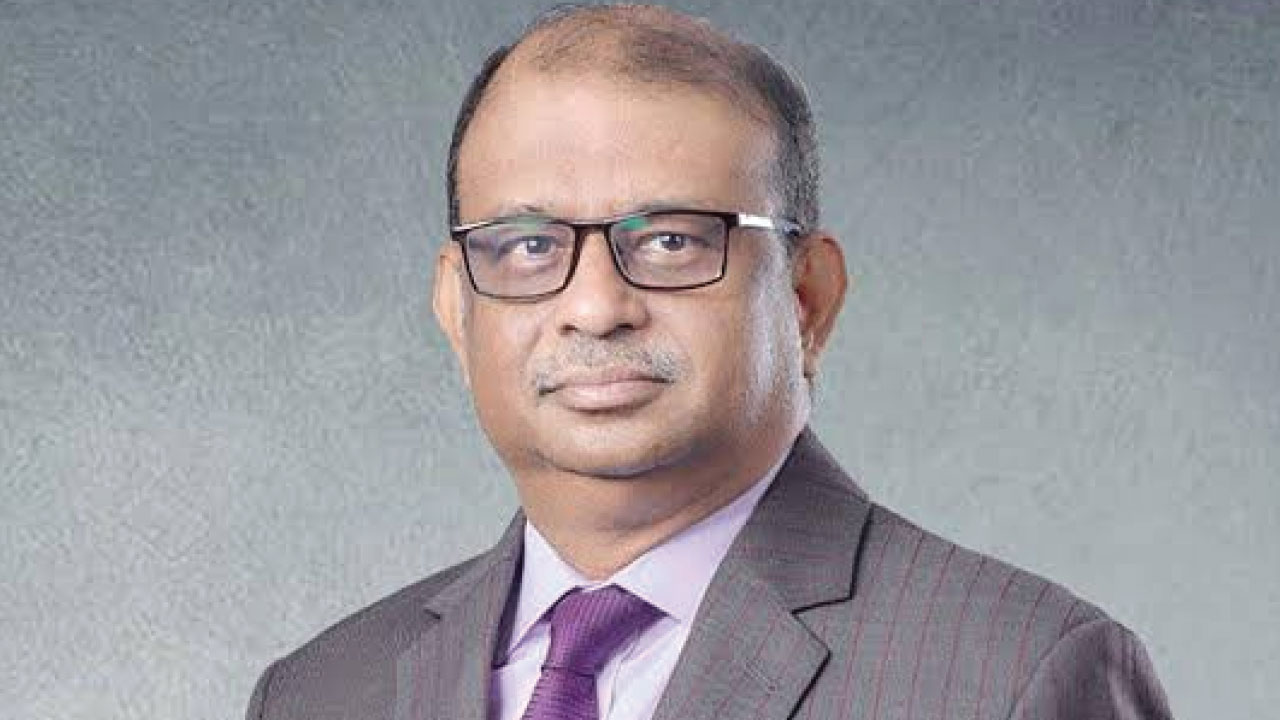
Ali Reza Iftekhar
Managing Director & CEO, EBL
Bangladesh’s economy was facing unprecedented macroeconomic pressures since 2022 which are reflected in unabated inflation, rapid depletion of foreign exchange reserves and mounting pressure on foreign exchange liquidity. Navigating inclement economic weather in 2024, EBL delivered remarkable financial performance supported by a diversified asset liability portfolio, service excellence, and a steadfast commitment to good governance practices and enhanced compliance with regulatory norms and instructions. At the same time, lifting all types of cap on interest, also played a role to raise its interest income.
When customer confidence in low performing banks dwindled last year mainly due to governance concerns, EBL continued to grow as a preferred bank for customers for its track record of championing compliance.
Our consistent adherence to rigorous credit policies and underwriting practices in lending and customer selection along with vigorous collection and monitoring drive helped us close the year with a decent NPL ratio, which is far below the industry average.
In service industry there is no alternative to service excellence in winning trust of customers and staying competitive. We are working tirelessly to ensure a consistent, seamless, and compelling experience across all touchpoints of EBL. We value our relationship with customers and take timely care of all their banking needs. We are consistent in innovating, enhancing our products and services and streamlining our processes to give better, improved, and seamless banking experience to our customers.
By adopting next-generation technology, EBL has not only distinguished itself in the market but also established new benchmarks for service excellence. To cater to a diverse range of customers in our commitment to financial inclusivity, it launched EBL Islamic Banking window in 2024. This year, EBL added another feather in the cap by launching Bancassurance, first of its kind in the banking industry in terms of offering both life and non-life insurance products to the customers.
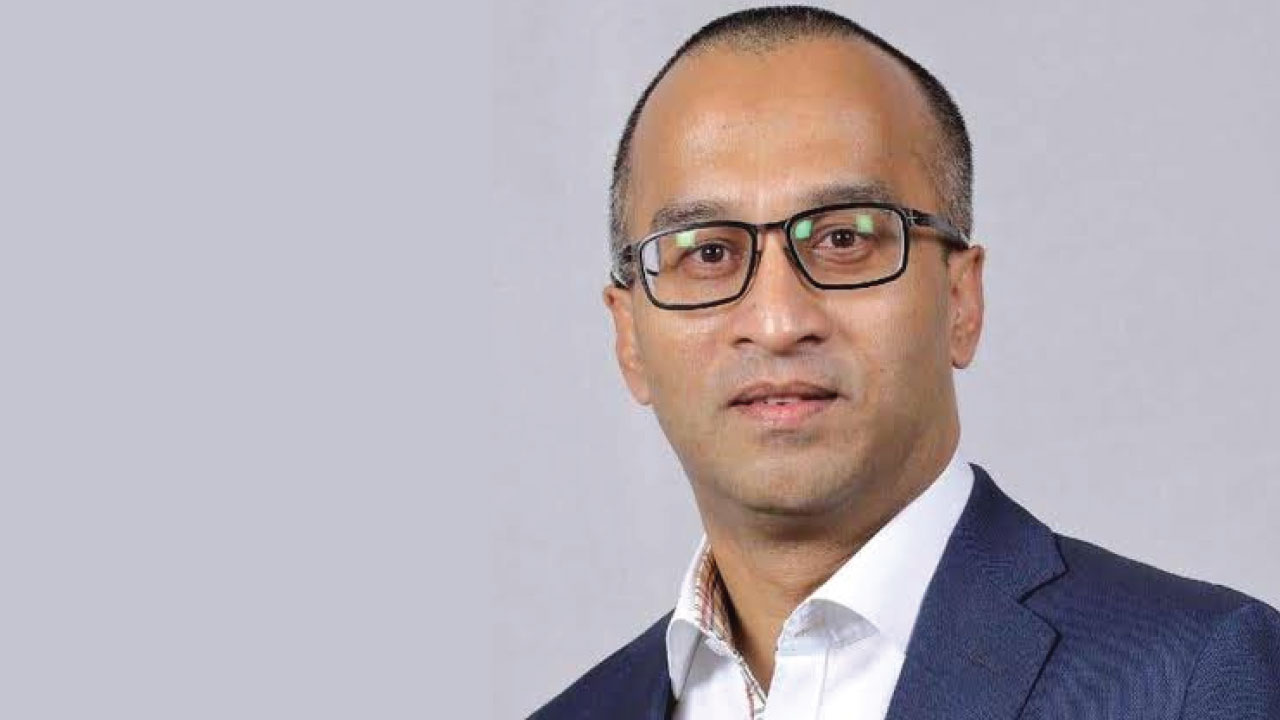
Mashrur Arefin
Managing Director of City Bank, CITY BANK
Our customers trust us, which is reflected in the increase in deposits. Additionally, our income-expense ratio has dropped from 60 percent to 42 percent, resulting in a record profit last year.
We also increased employee salaries by Tk 300 crore, which has motivated them and enhanced pride in working at the bank. The dedication and integrity of our board have been key to our success. We are confident that the bank will achieve even greater profits in the future.
Through consistent performance over the years, we reached a significant milestone in 2024 by crossing an operational profit of Tk 2,000 crore. City Bank fosters trust and delivers excellent service through strong corporate governance. Customers are now more conscious and they prefer service quality, and trust over rates.
We have always been a pioneer in the digital space of banking, so much so that we were the first bank in Bangladesh to launch Citytouch, our mobile banking app way back in 2013. Within a span of a decade, we have built capabilities for this one app alone to offer as many as 50+ different services today. It is worth noting that many customers are using Citytouch for their day-to-day banking activities. Embedding digital into our core is something that excites all of us. A demonstration of this was the bank launching the country’s first digital loan, small in ticket size, in collaboration with bKash. This product is AI-driven in terms of being able to generate accurate customer credit scores, etc. This aside, we have also built the right infrastructure to provide all possible digital services to all segments of customers.
Underpinned by our focus on financial inclusion, customer empowerment and sustainability, we are committed to our digital transformation strategy that will play out over at least the medium term. To achieve this goal, our approach is to forge collaborations by working closely with the government and regulatory bodies, private sector organizations and even educational institutions to develop a comprehensive digital transformation masterplan that can help address infrastructure and literacy challenges. We are also trying to prioritise investment in expanding our branch network coverage, improving internet speeds, etc. Versatility has been a key feature of the bank whereby we have always tried to have a forward-looking approach to build the bank of the future. Backing our digital ambitions is our robust cybersecurity infrastructure, which includes firewalls, intrusion detection systems and encryption protocols, further bolstered by security audits to identify and address any vulnerabilities. It is worth noting that we use industry-standard encryption algorithms to safeguard sensitive data, both at rest and in transit. Plus, we employ real-time monitoring tools to detect and respond to any potential security incidents promptly.
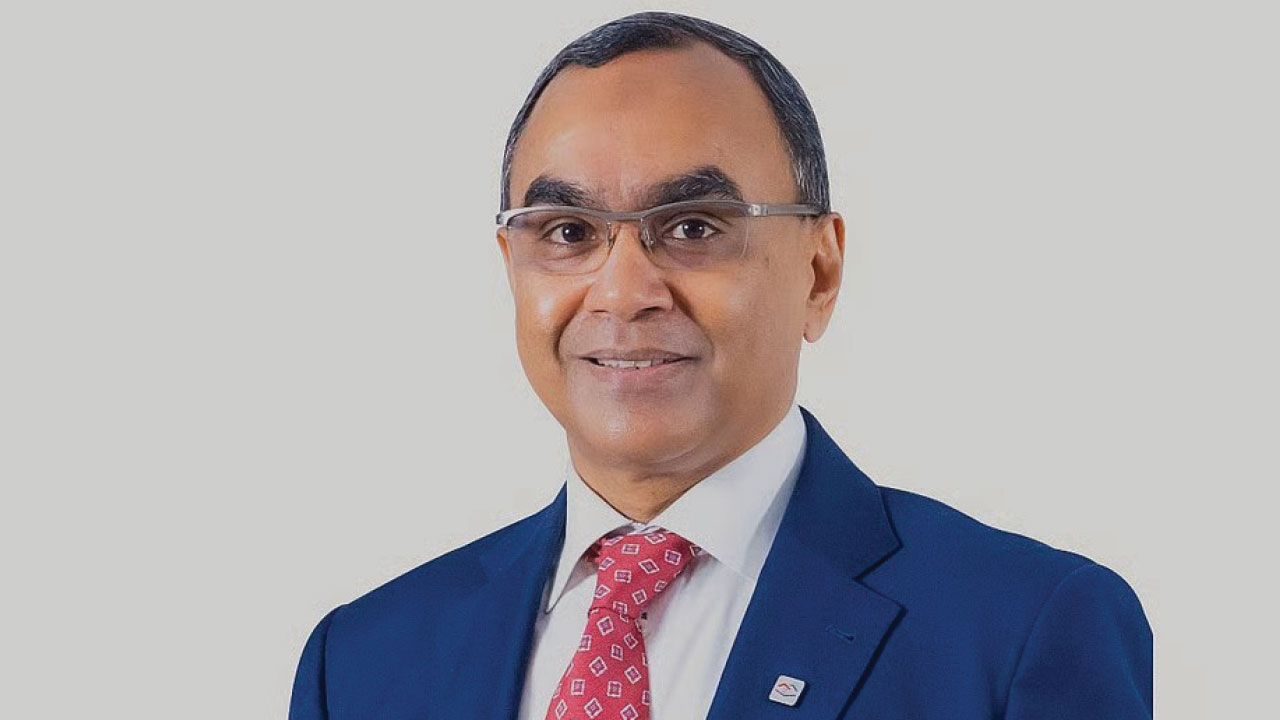
Syed Mahbubur Rahman
Managing Director and CEO,MUTUAL TRUST BANK
Despite many challenges in the economy and especially in the banking sector, MTB has performed well, and one of the key reasons for this success is strong governance. The board has not interfered in our day-to-day operations. The board has given us a lot of flexibility, so I would blame management for any operational mistakes.
MTB is among the top 4-5 banks in the country in terms of asset size. Over the past five years, our NPL ratio has remained below 1 percent, which is a legacy issue. The pillars of our success have been strong governance, robust branding, and committed management.
It’s also important to mention our decision-making process, particularly during periods of liquidity stress. Liquidity management was especially challenging, yet MTB was one of the few well-managed local banks when the foreign currency liquidity problem arose in 2021 and 2022. Even as other banks reduced the issuance of import letters of credit, we continued to open them. The liquidity issue across the banking sector has escalated since 2023, but we are in a strong position. Our ADR currently stands at 78-79%.
One reason for our strong liquidity position is our constant focus on liquidity management. Strong liquidity is crucial as it reflects customer trust. Similarly, making timely LC payments to foreign banks further strengthens that trust. I prioritised increasing the bank’s net open position, which has helped us maintain good dollar liquidity. I’ve always encouraged management to focus on growing our customer base, as it directly improves liquidity. We now have around 13 lakh customers.
Our vision is to create a financial super app that meets all the daily financial needs of our customers. From opening DPS accounts and paying utility bills to increasing credit card limits and making various payments – everything should be possible through the app without visiting a branch. We aim to make the app’s services even smoother than mobile financial services. Once this is achieved, customers will only need to visit branches for large transactions. The development of our app has already made significant progress, and this is a key part of our journey. Additionally, we are looking to introduce QR code-based payments, allowing even small transactions to be completed using this technology.
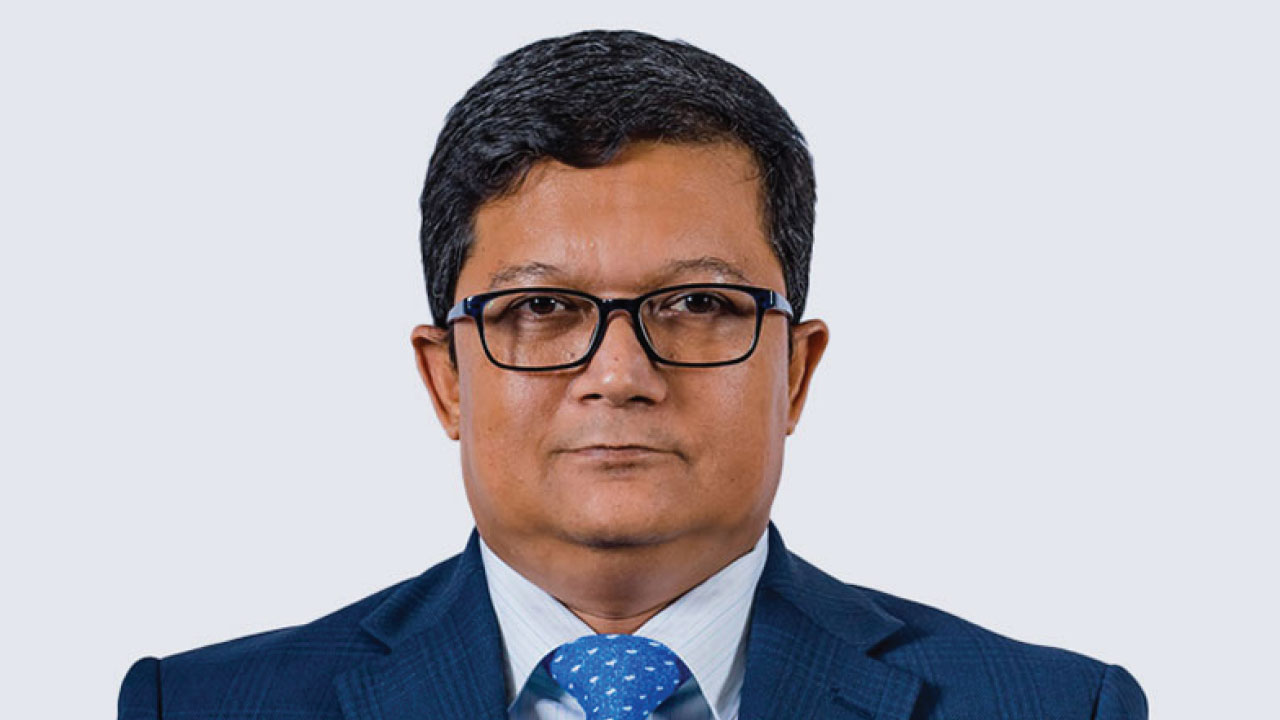
Tareq Refat Ullah Khan
Managing Director & CEO (Current Charge), BRAC BANK
Achieving a handsome net profit symbolizes financial success and the incredible trust our customers and stakeholders place in us. Despite the numerous challenges, BRAC Bank expanded its customer base and growth in the balance sheet. Our loyal and solid customer base, vast distribution network, fast-expanding digital channels, and our co-workers’ hard work and dedication contributed to our balance sheet growth. While many other banks struggled to attract depositors, BRAC Bank achieved impressive deposit growth. Loans and advances also grew significantly, leading to significant balance sheet growth.
Sound financial management, coupled with innovation and a customer-centric approach, will be the key to sustainable banking. By balancing digital transformation with human connection, banks can create long-term value for both customers and society. BRAC Bank has embarked on a digital transformation journey to enhance customer experiences across all segments. Beginning with enhancing backbone infrastructure, including core banking systems, card management, and Call Center IVR, the bank has focused on streamlining processes and automating systems. The dividends of this digital transformation are already evident. Currently, the bank prioritizes differentiating customer experiences and developing data-driven decision-making and prediction models. Technology is crucial in tailoring products and services to individual customer needs, moving away from the one-size-fits-all approach
BRAC Bank has always performed exceptionally well in terms of non-performing loans (NPLs) compared to industry standards. Our bank is well-managed, with an uncompromising focus on KYC and credit scrutiny, resulting in much lower NPLs than the general industry average. Nevertheless, we continue to make efforts to reduce overdue loans on our books, which will receive further attention in the coming year.
The bank’s continuous efforts in maintaining an above industry capital base, superior liquidity position, and exemplary corporate governance have contributed to this achievement. Moreover, BRAC Bank is the only bank in Bangladesh with a credit rating equivalent to the Sovereign Rating of Bangladesh by Moody’s Investors Service and the only Bangladeshi bank rated by the renowned agency S&P Global Rating, making it a unique accomplishment in the country’s banking industry.
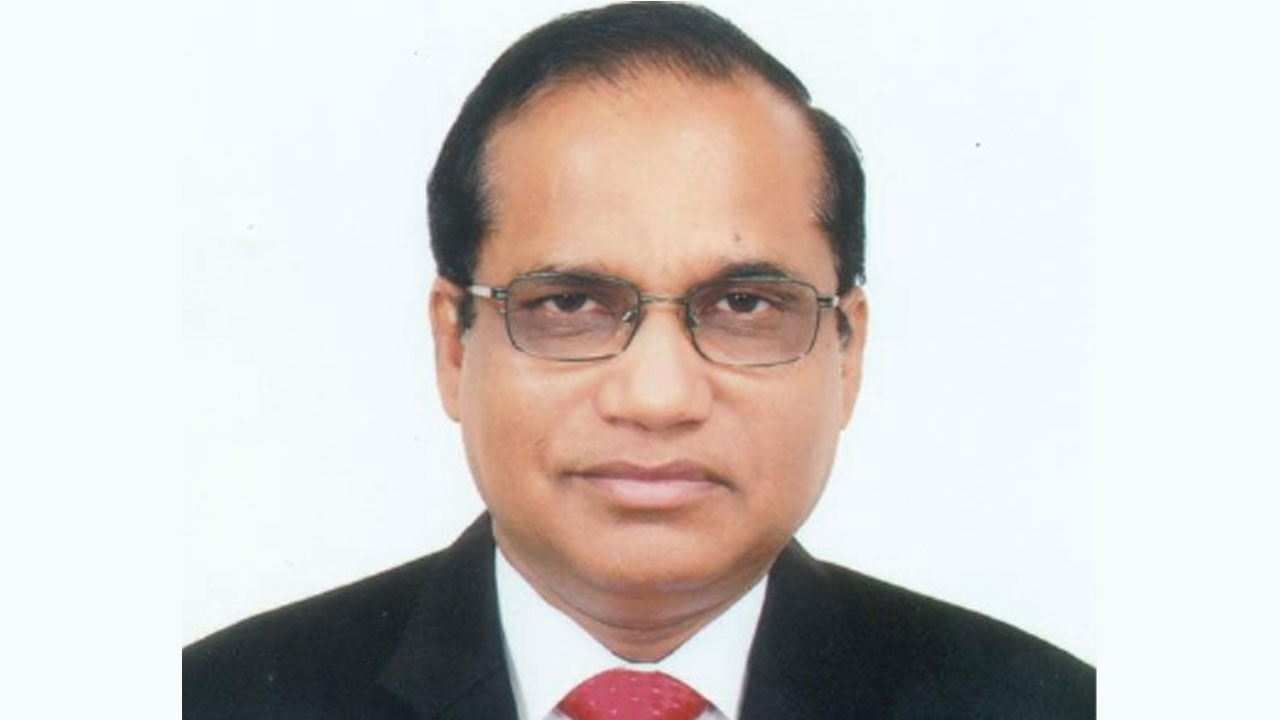
MD Abul Kashem Md Shirin
Managing Director & CEO, DUTCH-BANGLA BANK
We are now a happy family of 6.30+ crore customers. They have contributed to a huge amount of low-cost deposits for the bank. The bank maintains a strong liquidity base. We have sufficient capital to finance large corporates.
Our non-performing loans have decreased by 1 percent in 2024. We significantly increased SME and consumer loans in the past year, which, combined with our low cost of funds, led to these strong profits. In the new year, we plan to further reduce corporate loans and focus on increasing SME and consumer loans. Additionally, we will expand loans in other sectors alongside the garment sector.
Our focus remains on the transition towards a cashless economy. I believe that discouraging cash transactions by making them costly, while keeping digital transactions free, will accelerate financial inclusion. To fasten the financial inclusion, we need wider adoption of QR payments in rural areas and improved banking facilities for expatriates to boost remittance flows.
Our objective is to ensure uncompromising commitment to fulfill its customer needs and satisfaction and to become their first choice in banking. Our enthusiastic journey continued as usual along with a trend setting in many fields of technology-driven innovative banking by introducing new seminal banking products.
As we firmly believe in achieving long-term goals through safe and sound banking, we always keep a constant eye on the market and analyze the market behavior very intensively. Therefore, our approach towards risk taking was calculative and incisive. As such, our focus on development of service delivery channels, improvement of asset quality and maintaining a sound and safe portfolio remain the same like previous years. We have been continuing with our efforts to bring stable and predictable earnings. We always emphasize on business stability, strengthening our ability to serve the customers and focusing on our core businesses as usual which is to better the life of society.
Dutch-Bangla Bank sets its priority to continue implementation of its growth strategy with particular emphasis on improving deposit mix, reducing the cost of fund, diversifying its loan portfolio and strengthening overall risk management process. These initiatives will help the Bank improve its business performance in all areas, boost profits and ultimately create value for shareholders who are the main driving force behind all of our many efforts.
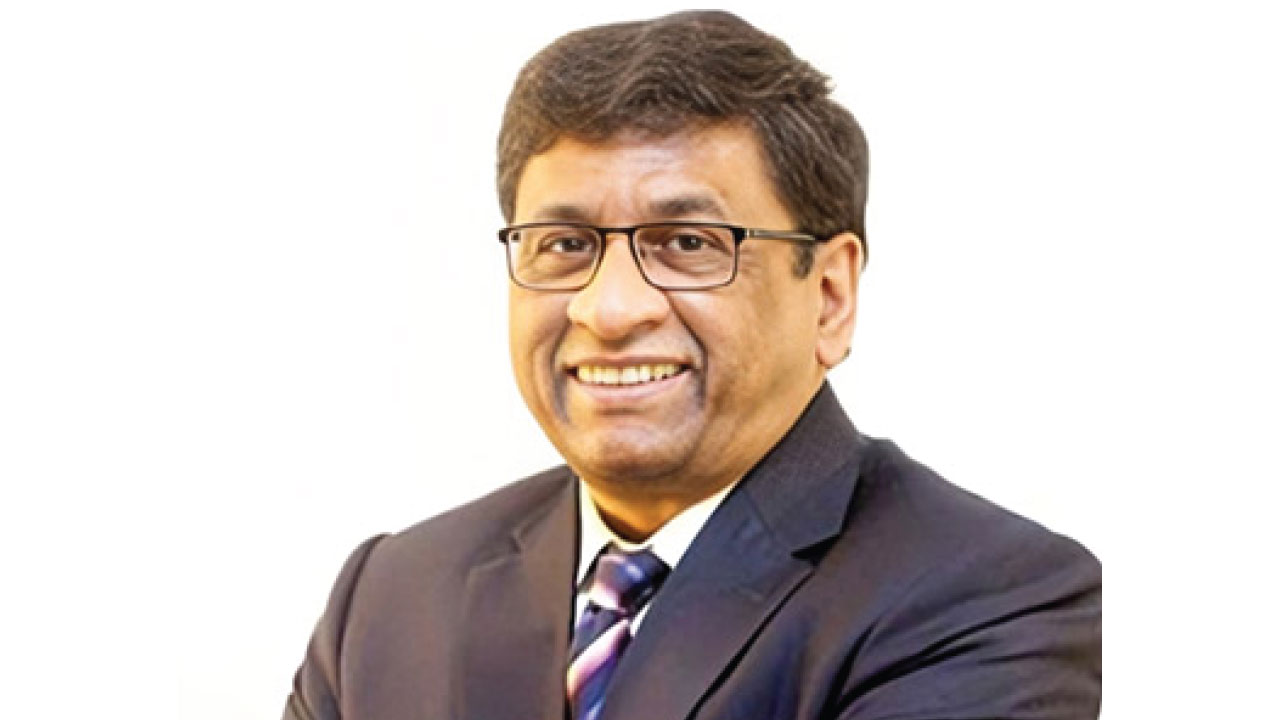
Sohail R K Hussain
Managing Director & CEO, BANK ASIA
In the face of the prevailing economic challenges, our institution remained steadfast in its commitment to preserving asset quality, accelerating loan recovery efforts, and strengthening loan monitoring and supervision mechanisms. Concurrently, we placed a strong emphasis on digitizing banking services, a strategic imperative aimed at enhancing the customer experience, streamlining operations, and maintaining cost discipline.
In 2024, we fortified our capital base, achieving a robust Capital to Risk-Weighted Asset Ratio (CRAR) of, surpassing the Basel III requirement of 12.50 percent. This achievement underscores our unwavering dedication to upholding robust capital adequacy standards, ensuring long-term stability and resilience. Recognizing the dynamic market conditions and evolving regulatory landscape, we employed a comprehensive approach to effectively manage our operations. This entailed a judicious examination of market dynamics, proactive liquidity management, and adherence to regulatory directives, thereby safeguarding the integrity of our balance sheet.
Our strategic decisions and timely actions ensured that we continued to serve the diverse needs of our valued import and export customers effectively. Throughout this period, our institution remained resolute in its pursuit of sustainable growth, guided by a prudent risk management framework and a commitment to upholding the highest standards of corporate governance.
In 2024, despite the formidable global and domestic economic challenges that prevailed, Bank Asia demonstrated remarkable resilience and achieved commendable progress, characterized by robust operating performance, disciplined cost management, and substantial revenue growth.
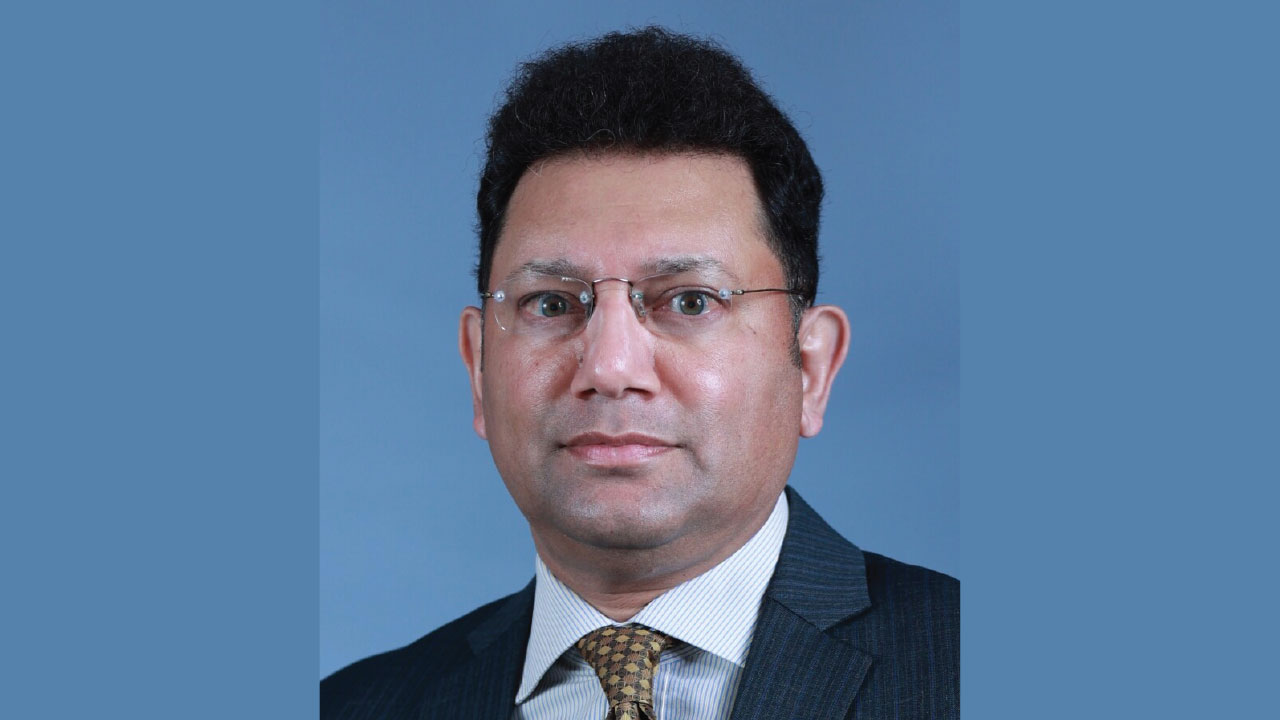
Hassan O. Rashid
Managing Director & CEO, PRIME BANK
Our collaborative approach coupled with innovation has helped us to achieve many milestones in 2024, but nothing more important than the trust and confidence our customers have placed on us. We’ve championed sustainable financing, focused on innovations that center around our customers, and launched initiatives that support community. Our efforts are helping shape the industry and secure a sustainable future for the next generations. Despite economic challenges, our resilience has paid off. We’re proud to report a handsome net profit growth in 2024. This growth has been fueled by quality loan growth, expansion of digital banking services such as MyPrime & PrimePay and improved customer service. We have also improved our loan coverage ratio significantly to protect the Bank from any adverse situation.
Looking ahead, Prime Bank is poised to transform the banking experience with innovation and new product offerings including banking solutions. We will continue to focus on low cost deposit mobilization and asset growth while ensuring NPL is maintained at well below industry level.
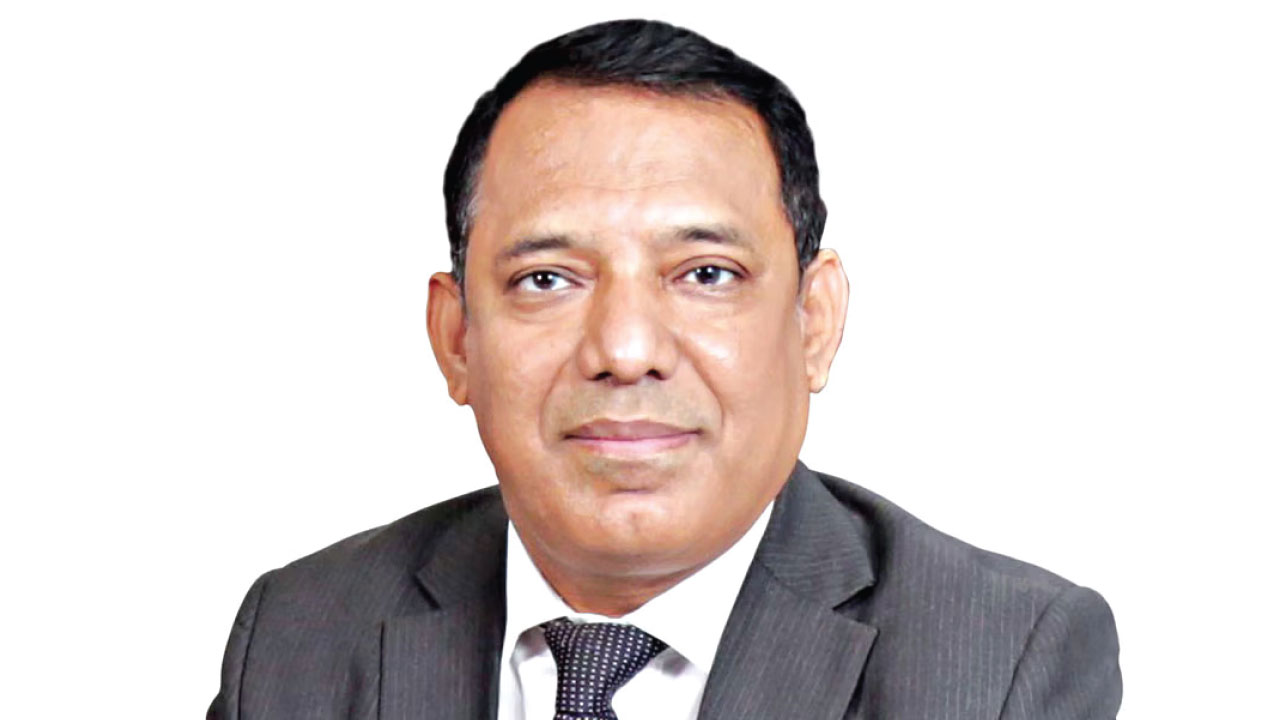
Mirza Elias Uddin Ahmed
Managing Director & CEO, JAMUNA BANK
Jamuna Bank prioritized the financial wellbeing of our customers and communities and strengthened the resilience of our bank. The dedication and efforts in the past years towards becoming a leading bank in the country have helped us to be well prepared to face the unprecedented crisis of the banking sector and macroeconomic challenges and allow us to remain successful.
Despite economic and geopolitical uncertainty, as well as a difficult business environment, credit portfolio grew. For years, stagnant business investment has reduced private sector good loan demand, affecting bank’s interest income. To counter loan scams, we tightened loan distribution but invested in government securities for profit. The government’s long financial crisis led to high-interest borrowing from banks, boosting treasury securities’ interest rates. Banks seized this opportunity for alternative risk-free income by increasing investments in securities. Last year, economic slowdown was caused by inflation, political uncertainty, and global factors, leading to a decline in depositors’ trust in certain banks. Consequently, deposits shifted from those banks to more stable counterparts. As such our deposit stood at BDT 310.45 billion registering a growth of 27.03%. Jamuna Bank’s success in foreign exchange liquidity was driven by robust export and remittance inflows, ensuring seamless import payment. The bank actively contributed to the foreign currency supply, facilitating smooth import processes for customers. It stands on a solid foundation with strong assets and a robust capital base. Total assets of the bank increased to BDT 366.02 billion from BDT 306.92 billion with the growth of 19.26% over last year’s. Capital base of the bank is one of the highest in the industry.
Despite intensified challenges, Jamuna Bank managed its portfolio efficiently closing the year 2024 with an NPL of 6.92% which is lower than that of industry average (20.2% as of December 2024). We have adhered to Bangladesh Bank’s guidance carefully to handle provisions and report interest income accurately. We ensured compliance in all the regulatory.
Jamuna Bank has already made its mark in the country’s banking arena through top-notch products and services, consistent financial results, good governance, compliance, ethics, transparency and values-based banking. With the talented and committed team empowered by technology, together we are determined to take Jamuna Bank to the next level achieving exponential growth in market share, while continuing to progress the financial inclusion and value based development for the economy of our country.
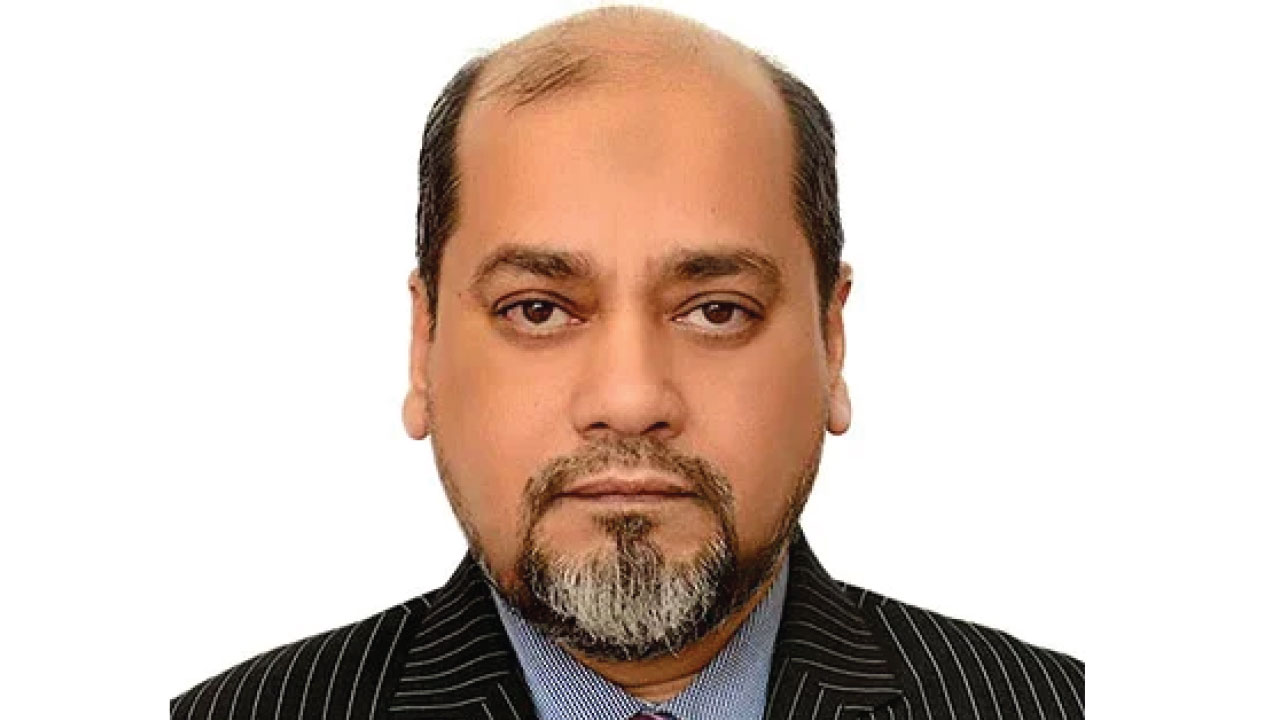
MD Mohammad Ali
Managing Director & CEO, PUBALI BANK
As many banks faced difficulties in the last couple of years, we attracted good deposits and gained valuable customers, leading to strong profits by year-end. A sharp increase in operating profits for certain banks is closely tied to instability in the sector. Had all banks remained stable, neither our deposits nor profits would have grown at this pace. When depositors lost confidence in other banks, they shifted their funds to institutions they perceived as more secure, prioritizing financial safety over higher interest rates.
Additionally, our focus on delivering better services and constant innovation played a key role in our strong year-end performance. strong corporate governance and skilled leadership are essential. Banking industry must offer competitive salaries and benefits to attract and retain top-tier professionals, ensuring the sector is led by individuals with expertise and integrity.
Some of key prudent strategies helped to achieve its goals. Besides establishing new division, we bifurcated and merged some divisions based on their functional requirements and customer segmentation for smooth operations of those divisions. We also recruited a good number of mid-level executives and officials in different divisions to bring fresh perspectives and diverse skills to the existing team. Many new products and services were introduced to meet up the demand of clients. Moreover, we emphasized on our product marketing, onboarding new export customers and strengthening ICT and digitization of the bank.
Pubali Bank plays a vital role in the country’s export and import business thanks to best possible use of virtual platform in the banking communication.
All the success we managed to record in the last financial year due to synergy between our highly experienced board of directors, skilled and optimistic management team and all the spirited members of Pubali family. Our highly talented team is committed to sustained innovative initiatives for continued value creation for our customers. Pubali Bank believes that technology is an enabler of business both for us and our clients.
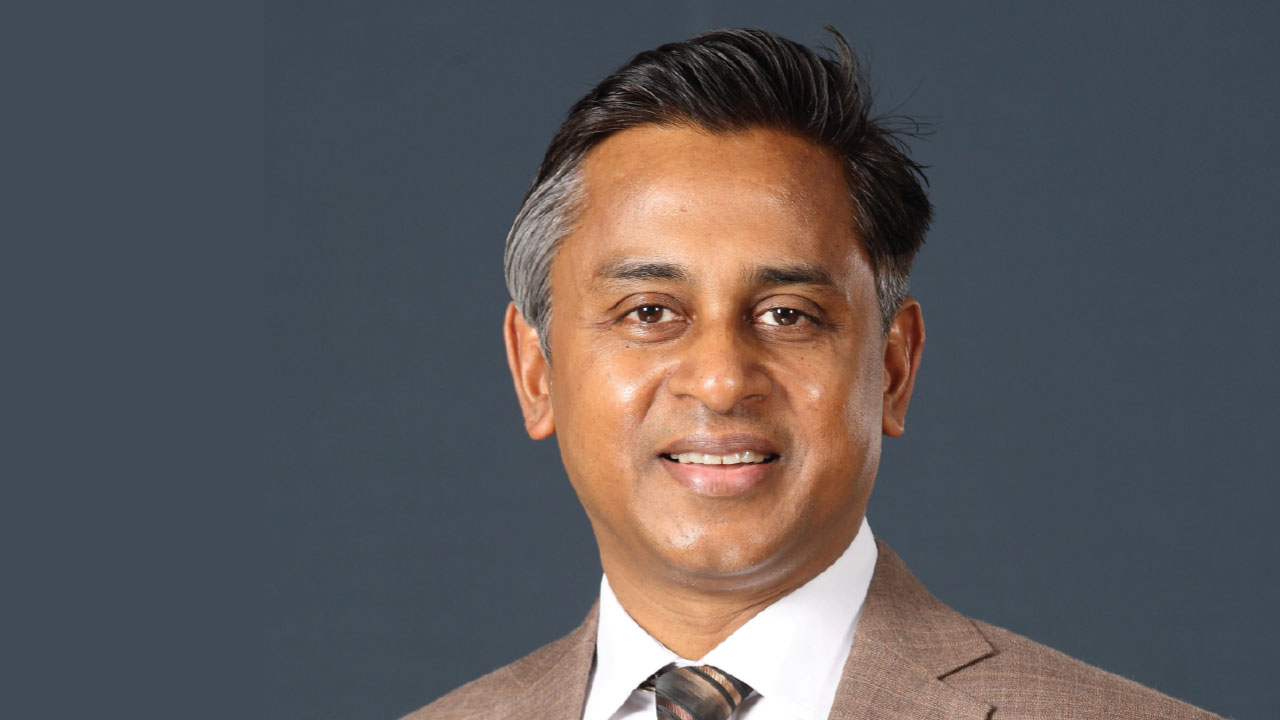
Sheikh Mohammad Maroof
Managing Director and CEO, DHAKA BANK
The year 2024 was one of the toughest for Bangladesh’s banking sector. Both loan and deposit growth dropped to their lowest levels in years, sending ripples across the financial industry. Yet, in the midst of this crisis, Dhaka Bank stood out by recording its highest-ever deposit growth. Even more impressively, the bank posted healthy profits—thanks to strong liquidity management and a forward-thinking approach.
We’ve always believed that the true strength of a bank lies in its ability to return depositors’ money on time. That trust is everything. The bank’s technological capabilities, 30-year legacy, extensive branch network, and skilled staff have helped build customer trust.
Dhaka Bank has been quick to adapt. Through a partnership with bKash, the bank launched a nano digital deposit service that saw massive uptake. Last year alone, we opened around one million nano deposit accounts. And in just the first two months of this year, we’ve already added another 300,000.
Our core goal is to promote financial inclusion in Bangladesh. Given our country’s population, it is nearly impossible to reach everyone through traditional branches alone. bKash has around 80 million customers. We aim to deliver banking services to depositors through this platform. Our priority is to ensure the bank’s stability. A stable deposit base is essential for healthy business operations. Since investment growth is currently low in Bangladesh, we are pursuing selective growth strategies, ensuring that we can support the needs of existing clients.
Our current focus is on growing a strong, low-cost deposit base. We have also taken steps to increase foreign deposits through our Offshore Banking Unit.