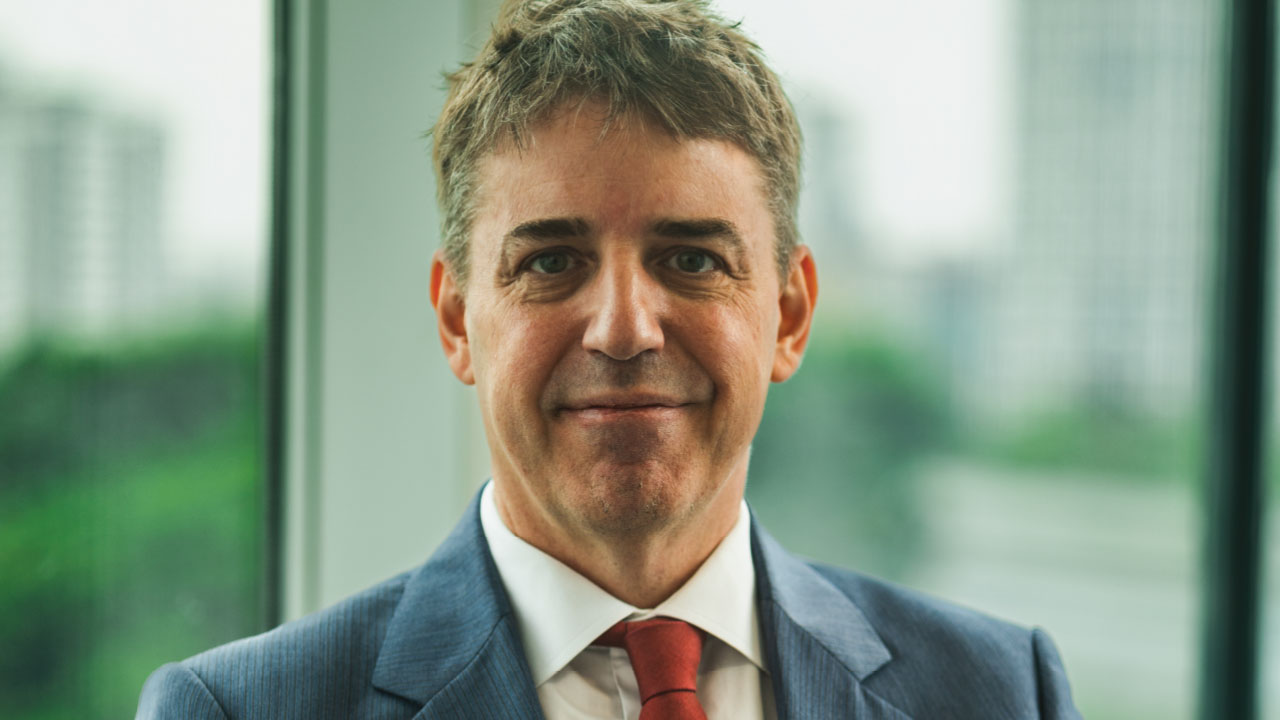
“Sweden has long been a valued development partner for Bangladesh,” Ambassador Weeks began in his usual optimistic and happy demeanor. “Today, that partnership is evolving—with growing Swedish investment in key sectors like ready-made garments, renewable energy, ICT, and infrastructure.”
He underscored that the future lies in sustainability-driven sectors. “Swedish expertise in green technology, smart manufacturing, and digitalisation can support Bangladesh’s transition to a low-carbon, competitive economy,” he noted. “Sectors like agri-tech and clean energy are also ripe for joint ventures.”
Unlocking Green and Digital Potential
Swedish companies are globally recognized for their leadership in sustainability, technology, and governance—qualities that align well with Bangladesh’s development vision. The envoy outlined a clear roadmap for deepened collaboration.
“In green energy, our companies bring expertise in wind, solar, and bioenergy that can help Bangladesh decarbonize its economy while generating green jobs,” he said. “We’re also excited about working together in smart manufacturing, where Sweden’s innovation can enhance productivity and reduce environmental impact in Bangladesh’s growing industrial sector.”
He also emphasized Sweden’s interest in digital collaboration. “From fintech and e-governance to AI and digital entrepreneurship, we see immense potential in supporting Bangladesh’s vibrant ICT ecosystem.”
Addressing the Investment Climate
While Sweden sees opportunity in Bangladesh, challenges remain. Regulatory inconsistencies, administrative inefficiencies, and infrastructure constraints continue to hinder ease of doing business for foreign investors.
“Improving policy predictability, simplifying procedures, and strengthening institutions like BIDA would go a long way,” Ambassador Weeks suggested. “Foreign investors need transparency, accountability, and efficiency —especially in areas like land access, taxation, customs, and repatriation of profits.”
He stressed the importance of reducing corruption and enhancing trust through structured public-private dialogue. “We are encouraged by ongoing reforms, but more needs to be done to unlock Bangladesh’s full investment potential.”
Trade Diversification: The Next Chapter
Sweden sees a clear path to broadening bilateral trade beyond traditional sectors like RMG. “We’re looking closely at emerging areas like digital trade, green technology, urban infrastructure, sustainable fashion, and healthcare,” he shared. “Diversification will ensure a more resilient and future-proof trade relationship.” This vision is supported by Swedish companies already operating in Bangladesh, many of which are exploring innovations in supply chains, resource management, and low-impact production.
Supporting LDC Graduation
As Bangladesh prepares for its transition out of Least Developed Country (LDC) status, Sweden is playing a proactive role in ensuring a smooth journey. “We are working closely with Bangladesh to align with International Labour Standards, which are essential for post-LDC trade preferences,” Ambassador Weeks explained. “Incentives like grants and technical assistance are also helping the RMG sector transition to greener, more competitive models.”
Building Institutional Bridges
Ambassador Weeks pointed to recent high-level dialogues as signs of deepening bilateral cooperation. In May 2025, Sweden co-hosted a policy dialogue on water management in the RMG sector with participation from major Swedish brands like H&M, Lindex, and IKEA.
“This initiative aligned sustainability goals with commercial interests and public policy,” he said. “It shows how public-private partnerships can drive systemic change.”
He also referenced the February 2025 visit of Dr. Jakob Granit, Director -General of Sida, who engaged with policymakers and social entrepreneurs to transition from traditional aid to impact-driven investment models. “This approach supports Bangladesh’s development goals while creating pathways for innovative financing and collaboration.”
Development Finance for Economic Transformation
Swedish development institutions such as Sida and Swedfund are adapting their strategies to become more catalytic. “Our goal is to use public funding to unlock private capital—through blended finance, scaling successful pilots, and investing in high-impact sectors,” Ambassador Weeks said. “We’re shifting from aid to sustainable investment.”
Leveraging Swedish Expertise for ESG Leadership
As a global leader in sustainability and ESG, Sweden is keen to share best practices with Bangladesh. “We’re already working with Bangladeshi companies to pilot responsible industrial practices,” he noted.
Ambassador Weeks also cited Sweden’s support for Fair Finance, an initiative promoting transparency in financial institutions. “Strengthening rule of law and regulatory governance is central to building investor trust.”
Upskilling Bangladesh’s Workforce
With a young and rapidly growing population, Bangladesh has the potential to become a major human capital hub. “Sweden can contribute through technical education, digital skills training, and research partnerships,” the Ambassador noted.
He emphasized the importance of innovation ecosystems and vocational training to prepare the workforce for future industries. “We’re eager to collaborate with universities, think tanks, and tech hubs across Bangladesh.”
Global Partnerships and Regional Influence
Sweden views Bangladesh as a rising economic force in Asia. “Your country has shown remarkable resilience and adaptability,” said Ambassador Weeks. “We want to strengthen cooperation through EU initiatives, the Nordic Chamber of Commerce and Industry (NCCI), and EuroCham.” He reiterated Sweden’s commitment to multilateral platforms that enhance market access, climate resilience, and technology transfer.
A Vision for the Future
As we concluded our conversation, I asked Ambassador Weeks about his personal priorities for his tenure in Bangladesh. “My main goal is to deepen our economic partnership—especially by supporting a just and green transition,” he said. “This relationship is about more than trade; it’s about people-to-people ties, academic exchanges, and shared responsibility for sustainable development.”
With such a multidimensional partnership taking shape, the future of Sweden-Bangladesh economic relations appears brighter than ever—grounded in trust, innovation, and a mutual commitment to inclusive prosperity.